
By Damian MacPherson. SA
Franciscan Friars of the Atonement
Graymoor, NY
Each year, the Week of Prayer for Christian Unity is celebrated in the northern hemisphere from January 18–25, between the feasts of Saint Peter and Saint Paul. These dates were established by Rev. Paul Wattson and Sister Lurana White, co-founders of the Franciscan Friars and Sisters of the Atonement in Graymoor, New York. In other parts of the world, the observance often takes place during the eight days preceding Pentecost.
Through this common prayer observance, Christians are reminded of the prayer of Jesus for his disciples: “that they all may be one, so that the world may believe” (John 17:21). The Week of Prayer serves as an important spiritual opportunity for Christians of different traditions to gather in faith, prayer, and mutual respect.
Helpful prayer materials, including the annual international theme and daily reflections, are prepared jointly by the Faith and Order of the World Council of Churches and the Vatican’s Dicastery for Promoting Christian Unity. These resources normally include an order of service for an ecumenical celebration which can be adapted to local circumstances and traditions. Print and digital materials are available from the GEII website each year beginning in October for the following January’s celebrations.
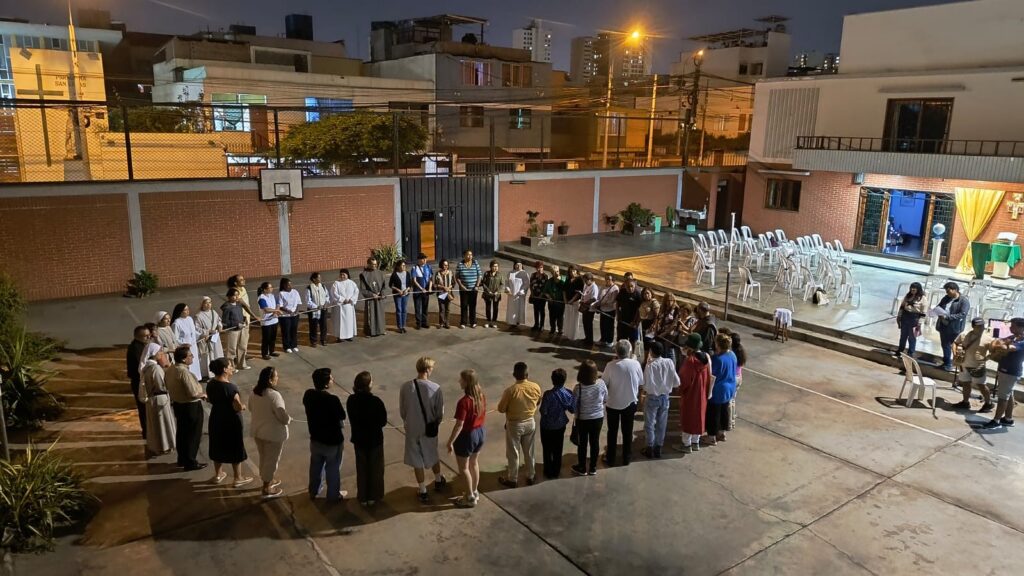
At the local level, Roman Catholics, Orthodox, Anglicans, Methodists, Baptists, Pentecostals, and members of other Christian denominations are encouraged to gather for a common celebration during the Week of Prayer for Christian Unity. In many communities, more than one gathering in different locations is both appropriate and encouraged.
Preparation for the celebration should begin by establishing personal contact with the leaders of local churches within the area. Each community may then be invited to appoint several representatives who, working together, will form a common planning committee responsible for preparing the prayer service.
Among the first matters to be determined by the committee are the date, time, and location of the gathering. Early and effective promotion of the event within each participating faith community is essential. Communities should commit themselves to a shared strategy of communication and publicity. Drawing upon the annual theme already provided in the official materials, the committee may wish to prepare a common announcement and, where possible, a shared poster or promotional display for use in each place of worship.
Another important responsibility of the planning committee is the selection of a guest preacher. It is generally recommended that the preacher not be the pastor or minister of the host congregation. The homily or reflection should be concise and ordinarily not exceed fifteen minutes.
It is customary that the pastor or minister of the host congregation serve as the principal celebrant of the gathering. Appropriate seating and participation for other clergy, readers, musicians, and those leading the prayers of the faithful should be arranged thoughtfully and with sensitivity toward all traditions represented.
Music is an essential element of the prayer service. Care should be taken to select hymns and musical settings that are familiar, accessible, and appropriate for the participating congregations.
Once the details of the service have been finalized, a printed program should be prepared and made available to all participants. The program should clearly indicate the various roles and forms of participation within the celebration. Any expenses associated with the event should, where appropriate, be shared mutually among the participating communities.
Following the conclusion of the prayer service, the hosting congregation should invite all participants to remain for a time of refreshments and fellowship. Such informal social time often provides an important opportunity for conversation, friendship, and the strengthening of ecumenical relationships.
Depending upon local circumstances, the organizing committee may also wish to provide a suggestion box to invite written comments from participants. Providing an evaluation form is one way of soliciting comments. A final meeting of the committee, possibly a week later, can then provide an opportunity to evaluate the celebration, reflect upon observations received, and begin initial planning for the following year’s observance of the Week of Prayer for Christian Unity.